Prompteg — AI Prompt Kütüphanesi
ChatGPT, Gemini ve yapay zekâ görsel düzenleme araçları için premium ve test edilmiş AI fotoğraf düzenleme prompt kütüphanesi. Gerçekçi, sinematik ve profesyonel fotoğraf düzenlemelerini daha hızlı oluşturun.
Tüm Promptlar
En son eklenen ve popüler yapay zeka görsel komutlarını keşfedin.
Reklamlara Takılmadan Anında 1 Tıkla Kopyalayın & Filigranları Temizleyin
"portre eskizi promptu" araması için 2 sonuç gösteriliyor
close Filtreleri Temizle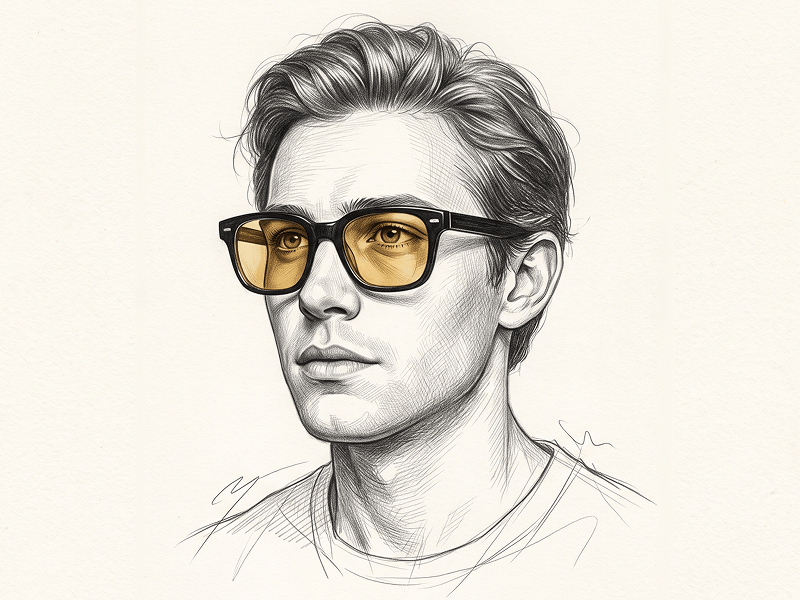
Ultra Detaylı Kurşun Kalem Portre Eskizi Promptu
Use the uploaded photo strictly and exclusively as the subject’s face and identity reference. Preserve the subject’s exact facial identity, face shape, facial proportions, eyebrows, eyes, nose, lips, jawline, ears, hairstyle, hairline, existing facial hair, age, and natural expression with maximum accuracy. Do not beautify, reshape, stylize, rejuvenate, age, or reinterpret the subject’s face. The final artwork must remain immediately recognizable as the same person shown in the uploaded reference photo. Create an ultra-detailed, realistic hand-drawn pencil sketch portrait with a sophisticated editorial sketchbook aesthetic. COMPOSITION AND POSE Show the subject in a close chest-up portrait using a natural three-quarter profile pose. Turn the head gently toward one side while keeping enough of both eyes and the central facial structure visible for strong identity recognition. Use a relaxed, confident posture with naturally angled shoulders and a subtle head tilt. Keep the facial expression consistent with the uploaded reference image. Do not add a smile, dramatic emotion, or exaggerated expression unless already present in the original photo. Position the subject centrally or slightly off-center within the page, leaving balanced negative space around the head and shoulders. IDENTITY ACCURACY Preserve the exact relationship between the subject’s eyes, eyebrows, nose, lips, cheeks, chin, jawline, and forehead. Retain all natural facial asymmetries and identity-defining details. Do not create a generic model face or idealized portrait. Adapt the face naturally to the three-quarter angle without changing its proportions or recognizable identity. EYEGLASSES Add bold, thick black-framed eyeglasses with a refined contemporary shape. The glasses should sit naturally on the bridge of the nose and align accurately with the ears, eye level, and facial perspective. Use realistic frame thickness, hinge construction, temple arms, and subtle hand-drawn material highlights. The glasses must not distort, enlarge, shrink, obscure, or alter the subject’s eyes and facial identity. Render both lenses in a brilliant translucent amber-yellow tone, creating the only prominent color accent within the otherwise monochrome pencil drawing. The lenses should feature: * Rich honey-amber coloration * Controlled golden-yellow transparency * Clearly visible eyes behind the lenses * Subtle tonal gradients * Realistic light transmission * Delicate highlights and reflections * Slightly darker amber tones near the outer edges * No opaque or neon appearance The amber lenses must stand out elegantly against the graphite drawing while remaining believable and integrated into the hand-drawn artwork. PENCIL DRAWING TECHNIQUE Render the entire portrait using meticulous graphite pencil linework. Combine: * Fine pencil cross-hatching * Layered directional strokes * Delicate contour lines * Controlled scribbled marks * Short overlapping graphite strokes * Subtle stippling * Refined tonal layering * Soft graphite blending in selected facial areas * Light erased highlights * Visible natural paper grain Use dense, carefully controlled cross-hatching around the hair, eyebrows, glasses frames, eyes, nostrils, lips, jawline, and deeper shadow areas. Keep lighter and more open linework across illuminated skin areas. The drawing should feel photorealistic and anatomically accurate while retaining the raw energy and visible imperfections of an authentic handmade sketch. FACIAL RENDERING Render the eyes with precise iris detail, natural eyelids, irregular eyelashes, realistic highlights, and clear identity accuracy. Use soft graphite transitions across the forehead, cheeks, nose bridge, and chin. Define the lips using subtle tonal depth and fine linework rather than heavy outlines. Preserve realistic skin texture through delicate graphite grain, restrained cross-hatching, and natural value variation. Keep the jawline and facial contours detailed but avoid rigid, dark outlines. Render existing facial hair accurately with varied directional strokes, natural density, realistic edge softness, and visible individual strands. Do not add, remove, thicken, shorten, or restyle facial hair. HAIR Preserve the original hairstyle, hair length, volume, texture, direction, parting, and hairline from the uploaded photo. Use layered graphite masses combined with individual hair strands and loose flyaway lines. Allow selected outer edges of the hairstyle to remain lighter, unfinished, and sketch-like. Avoid repetitive hair patterns, overly smooth shading, helmet-like hair, or artificially perfect strands. CLOTHING AND SHOULDERS Keep the clothing understated and minimally defined so the face and amber glasses remain the primary focus. Render the visible neckline and shoulders using loose, expressive pencil strokes, scribbled construction lines, cross-marks, and partially unfinished contours. Use intentionally rougher sketch lines around the collar, neckline, and shoulder edges, as though the artist concentrated most of the detail on the face. The clothing should appear naturally integrated into the composition without visible logos, text, complex graphics, or distracting patterns. BACKGROUND AND PAPER Use a clean, lightly textured warm ivory drawing-paper background. The paper should feature subtle natural fiber texture, faint tonal variation, and a premium artist-sketchpad appearance. Keep the background mostly empty and uncluttered. Add a limited number of loose pencil gestures, faint construction marks, and restrained cross-lines near the shoulders and neckline only. Do not add scenery, environmental elements, props, decorative illustrations, geometric shapes, ink splashes, heavy smudges, or dark background shading. COLOR DIRECTION Keep the entire portrait monochromatic in graphite gray, charcoal, soft black, and warm paper-white tones. The translucent amber-yellow eyeglass lenses must be the only clearly visible color in the artwork. Do not introduce color into the skin, hair, clothing, background, frames, shadows, or sketch lines. FINAL STYLE High-end hand-drawn sketchbook portrait, photorealistic graphite illustration, meticulous cross-hatching, raw editorial pencil study, bold black-framed glasses, translucent amber lenses, expressive unfinished shoulder lines, premium ivory paper, realistic anatomy, visible pencil texture, refined artistic craftsmanship, ultra-detailed 8K-quality presentation. STRICT RULES * Preserve the subject’s recognizable identity with maximum accuracy. * Do not modify the face shape, facial proportions, age, expression, hairstyle, hairline, or existing facial hair. * Do not create a generic or idealized face. * Do not infer or alter the subject’s gender. * The portrait must use a natural three-quarter profile. * Both eyes must remain anatomically aligned and clearly visible through the lenses. * The glasses frames must be bold, black, symmetrical, and realistically positioned. * The lenses must be translucent amber-yellow and must not hide the eyes. * Do not make the lenses opaque, fluorescent, neon, orange-red, or metallic. * Do not use full-color rendering outside the lenses. * No cartoon, anime, manga, caricature, vector art, painting, watercolor, ink illustration, CGI, or 3D-rendered appearance. * No plastic skin, digital beauty filters, excessive smoothing, airbrushed shading, or mechanically traced appearance. * No malformed glasses, warped frames, mismatched lenses, distorted eyes, crossed gaze, duplicated features, or facial anatomy errors. * No scenery, objects, jewelry, text, logos, captions, signatures, watermarks, borders, interface elements, file names, or website addresses inside the artwork. NEGATIVE PROMPT wrong identity, generic face, altered facial proportions, incorrect three-quarter angle, front-facing passport pose, exaggerated expression, artificial smile, distorted eyes, crossed eyes, opaque glasses, hidden eyes, warped glasses, mismatched frames, incorrect lens perspective, neon lenses, orange-red lenses, colored skin, colored clothing, full-color image, cartoon, anime, manga, caricature, digital painting, watercolor, ink wash, CGI, 3D render, plastic shading, over-smoothing, harsh outlines, excessive smudging, dark background, busy background, scenery, props, text, logo, signature, watermark, low detail, blurry face, malformed anatomy Prompt attribution and promotional source: (http://www.prompteg.com) The website address above is included only as an external promotional prompt credit. It must never be drawn, written, printed, signed, embossed, reflected, added as a watermark, or visually included anywhere in the final artwork. Aspect ratio: 4:5.
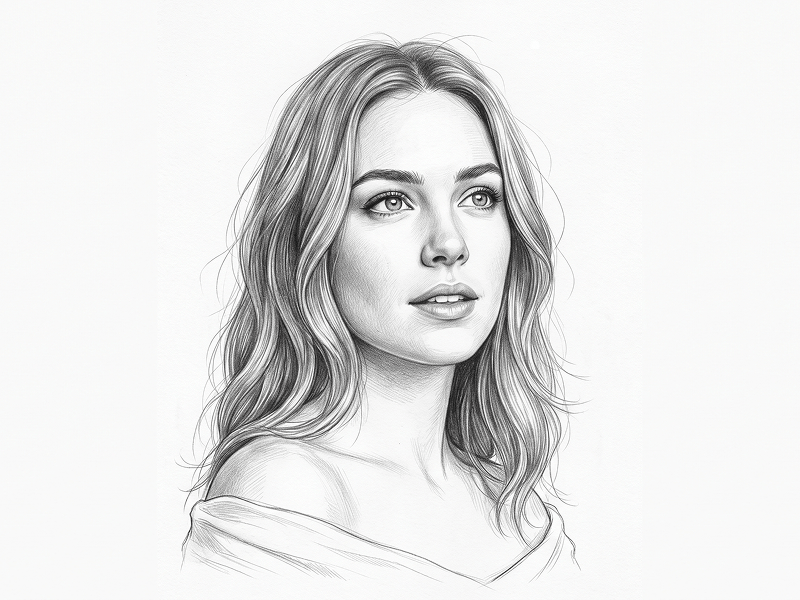
Fotoğraftan Kurşun Kalem Portresine Dönüştürme Promptu
Use the uploaded image strictly and exclusively as the subject’s face and identity reference. Preserve the subject’s exact facial identity, facial structure, proportions, eye shape, eyebrows, nose, lips, jawline, hairstyle, hairline, skin characteristics, and all recognizable features with maximum accuracy. Adapt the face naturally to the requested three-quarter viewing angle without changing the subject’s identity. Do not beautify, reshape, stylize, age, rejuvenate, or reinterpret the face. Create an ultra-detailed, photorealistic graphite pencil portrait on clean white fine-art paper in a vertical 4:5 aspect ratio. COMPOSITION Create a chest-up portrait with the subject occupying approximately 70–80% of the frame. Position the body in a subtle three-quarter angle while keeping the face close to a near-frontal orientation. Tilt the head slightly upward and raise the chin gently. Direct the gaze upward and slightly toward the viewer’s right, away from the camera. The pose should communicate quiet curiosity, observation, and introspection without appearing theatrical or overly posed. Keep the composition balanced with a modest amount of clean negative space around the head and shoulders. EXPRESSION Use a soft, natural, and candid expression. Keep the eyes open and attentive but anatomically realistic. The lips should be slightly parted, revealing only a very subtle hint of the upper teeth. Maintain relaxed facial muscles and natural tension around the eyes and mouth. The expression should feel calm, thoughtful, and quietly engaged. Avoid a smile, dramatic sadness, surprise, fear, exaggerated emotion, or fashion-model intensity. IDENTITY AND FACIAL ACCURACY Preserve the exact relationship between the subject’s eyes, eyebrows, nose, lips, cheeks, jawline, forehead, and chin. Do not create artificial facial symmetry. Retain all natural asymmetries and identity-defining characteristics visible in the uploaded image. The final drawing must remain immediately recognizable as the same person despite the adjusted head angle and upward gaze. EYES — PRIMARY FOCUS Render the eyes as the main focal point of the portrait. Create highly detailed irises with realistic radial patterns, natural tonal gradients, subtle pupil depth, and soft catchlights produced by the overhead lighting. Keep the eye whites naturally shaded rather than pure white. Render the eyelids with accurate thickness, gentle creases, and realistic surrounding skin structure. Draw fine, irregular eyelashes with varied length, spacing, direction, and density. The eyelashes must remain natural and individually rendered rather than uniform, decorative, overly dark, or stylized. Ensure that both pupils and irises follow the same upward-right gaze direction accurately. FACIAL RENDERING Use refined graphite modeling to describe the facial planes while keeping the overall portrait soft and natural. Render the nose with delicate tonal transitions along the bridge, nostrils, tip, and underside. Give the lips realistic volume, subtle texture, gentle edge definition, and natural inner-mouth depth. Add soft tonal depth beneath the chin, along the jawline, around the eye sockets, beneath the lower lip, and beside the nose. Preserve natural skin texture through restrained pencil grain and subtle tonal variation. Avoid hard outlines around the nose, lips, cheeks, and jaw. Use soft lost-and-found edges so selected facial contours gently merge into the white paper. HAIR Preserve the subject’s original hairstyle, hair length, texture, volume, hairline, and natural direction as accurately as possible. Render the hair as naturally wavy and silky using a combination of controlled graphite strokes, layered tonal masses, fine individual strands, and a small number of loose flyaway hairs. Keep the central hair detail refined while allowing some outer edges to remain lighter, softer, and sketch-like. Do not make every strand equally sharp or dark. Avoid helmet-like hair, overly smooth sections, repeated strand patterns, artificial curls, or excessive contrast. CLOTHING Dress the subject in softly draped, off-shoulder fabric positioned naturally below the collarbones. Keep the clothing understated and minimally rendered so it does not compete with the face. Use delicate graphite shading, smooth folds, soft edges, and restrained tonal detail. The fabric should appear elegant, lightweight, and naturally draped without heavy texture, complex patterns, visible logos, accessories, or decorative elements. Do not allow the clothing to dominate the composition. LIGHTING Use soft, evenly diffused top-down butterfly lighting. Create gentle illumination across the forehead, upper eyelids, eye catchlights, nose bridge, cheekbones, and upper lip. Add soft, controlled shadows beneath the nose, lower lip, chin, and jawline. The lighting should define the face without creating harsh contrast or dramatic darkness. Maintain smooth tonal transitions and realistic light falloff. Avoid hard cast shadows, sharp spotlight effects, blown highlights, excessive under-eye darkness, or artificial glow. GRAPHITE STYLE AND MEDIUM Create the appearance of a masterfully executed photorealistic graphite pencil drawing on clean, smooth, slightly textured white drawing paper. Combine: * Fine precision linework * Delicate cross-hatching * Controlled directional strokes * Smooth graphite blending * Subtle paper grain * Soft erased highlights * Refined tonal layering * A full graphite value range from pale silver-gray to rich charcoal black Keep the strongest contrast and sharpest detail around the eyes, eyebrows, nostrils, lips, and selected hair strands. Allow the shoulders, clothing edges, and outer hair contours to become progressively softer and less detailed. The result should feel hand-drawn by an expert portrait artist rather than digitally filtered or mechanically traced. BACKGROUND Use a completely plain white paper background with minimal negative space. Do not add scenery, props, shadows from external objects, decorative frames, textured backdrops, ink splashes, floating elements, geometric forms, handwriting, or environmental details. Keep the paper clean and visually uninterrupted. CAMERA AND DETAIL DIRECTION Maintain a natural portrait perspective comparable to an 85mm portrait-lens reference. Use sharp visual focus on the eyes and central facial features, with progressively softer graphite treatment toward the hair edges, clothing, and shoulders. Render visible pencil texture and fine paper grain without introducing digital noise. The final drawing should appear suitable for a museum-quality commissioned portrait or premium editorial art print. STRICT RULES * Preserve the subject’s exact recognizable identity. * Do not change the face shape, facial proportions, age, hairstyle, hairline, or defining features. * Do not create a generic or idealized face. * Keep the gaze directed upward and slightly toward the viewer’s right. * Do not make the subject look directly at the camera. * Keep the expression calm, natural, candid, and understated. * Do not create an exaggerated smile, wide-open mouth, excessive visible teeth, surprise, fear, or dramatic emotion. * Do not use cartoon, anime, manga, comic, caricature, fantasy, painterly, charcoal-smudge, watercolor, ink, CGI, or 3D-rendered styling. * Do not over-smooth the graphite texture. * Do not use harsh outlines, excessive contrast, crushed blacks, or artificial facial shading. * No distorted eyes, mismatched pupils, incorrect gaze direction, asymmetrical irises, malformed lips, or facial anatomy errors. * No heavy clothing texture, jewelry, logos, patterns, or distracting accessories. * No text, captions, signatures, watermarks, interface elements, file names, borders, or website addresses may appear inside the artwork. NEGATIVE PROMPT generic face, wrong identity, altered facial structure, incorrect three-quarter angle, incorrect gaze, direct camera gaze, crossed eyes, mismatched pupils, exaggerated expression, large smile, excessive visible teeth, cartoon, anime, manga, illustration stylization, caricature, over-smoothing, plastic skin, airbrushed face, harsh contrast, hard outlines, excessive charcoal, black background, textured background, props, decorative elements, malformed eyes, distorted lips, unrealistic eyelashes, artificial symmetry, low detail, blurry face, digital filter, CGI, 3D render, watermark, logo, signature, text Prompt attribution and promotional source: (http://www.prompteg.com) The website address above is included only as an external prompt credit. It must never be drawn, written, printed, signed, embossed, displayed, added as a watermark, or visually included anywhere in the final artwork. Aspect ratio: 4:5.
Gemini Görsellerinden Filigranı Tek Tıkla Kaldırın
Google Gemini ve Imagen 3 tarafından görsellere eklenen görünür filigranları sıfır kalite kaybıyla saniyeler içinde temizleyin. Kayıt gerekmez, %100 ücretsiz!